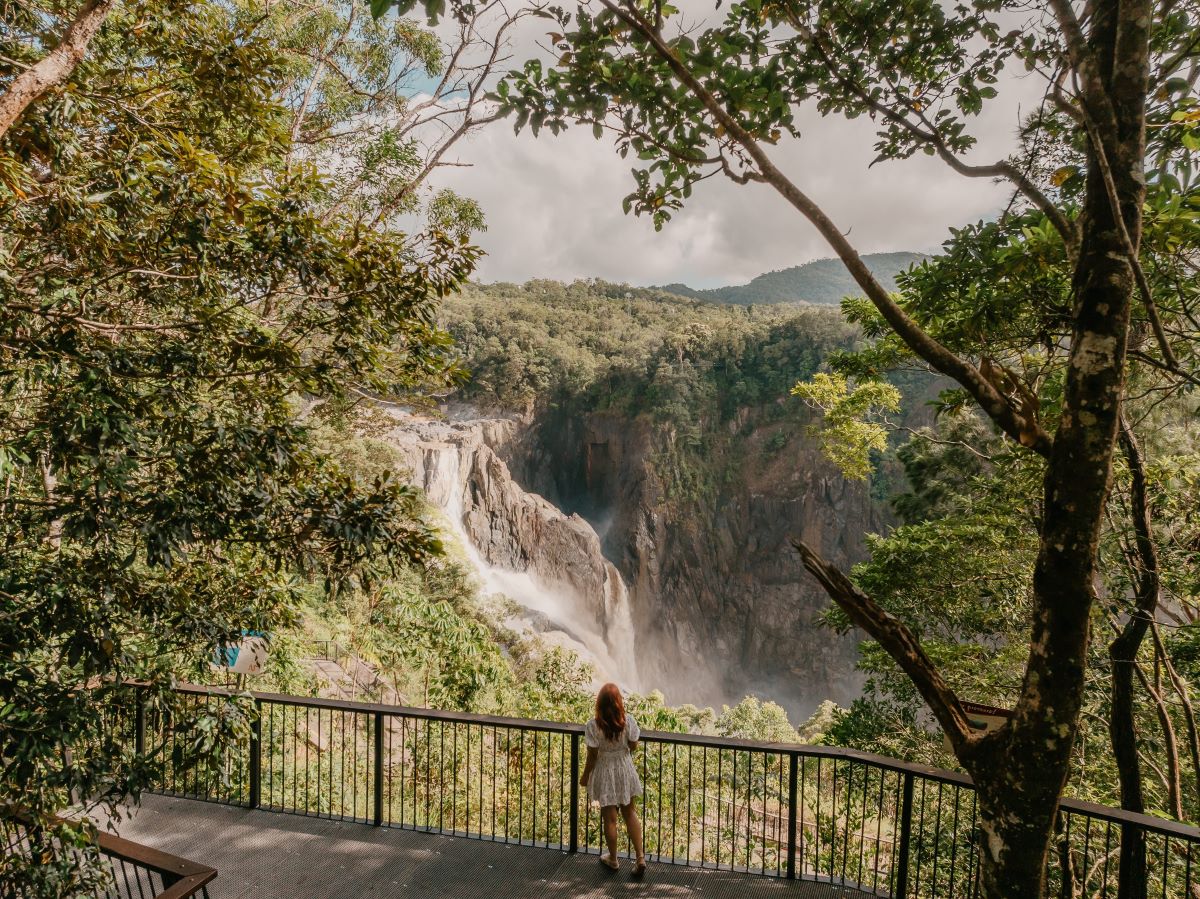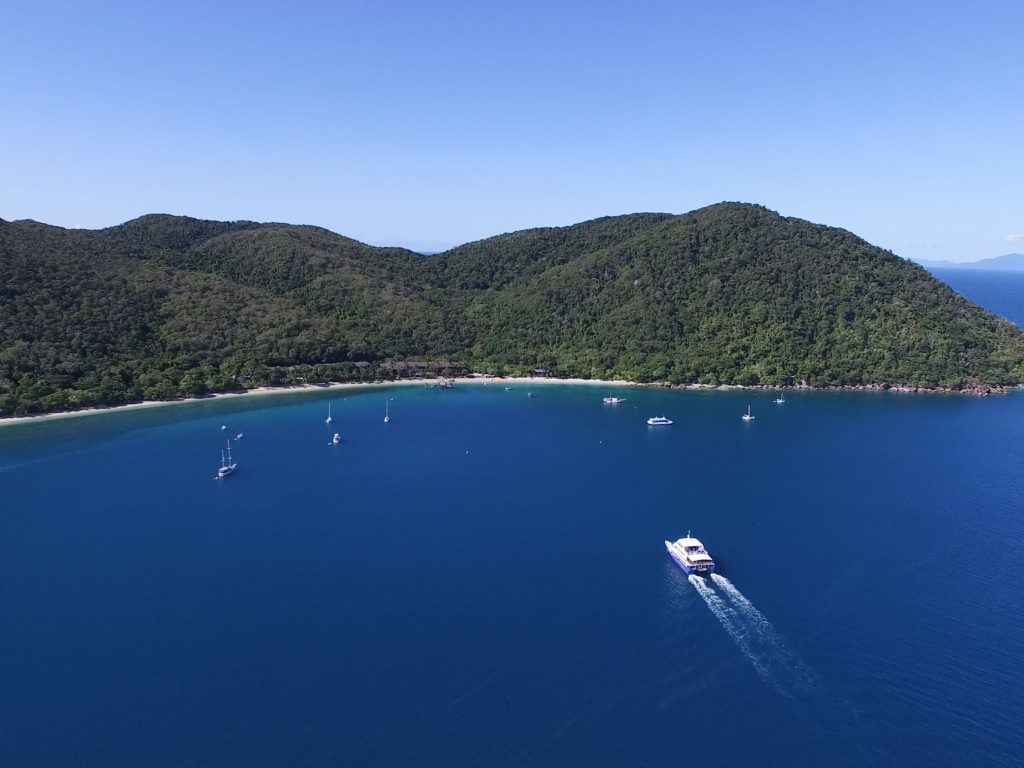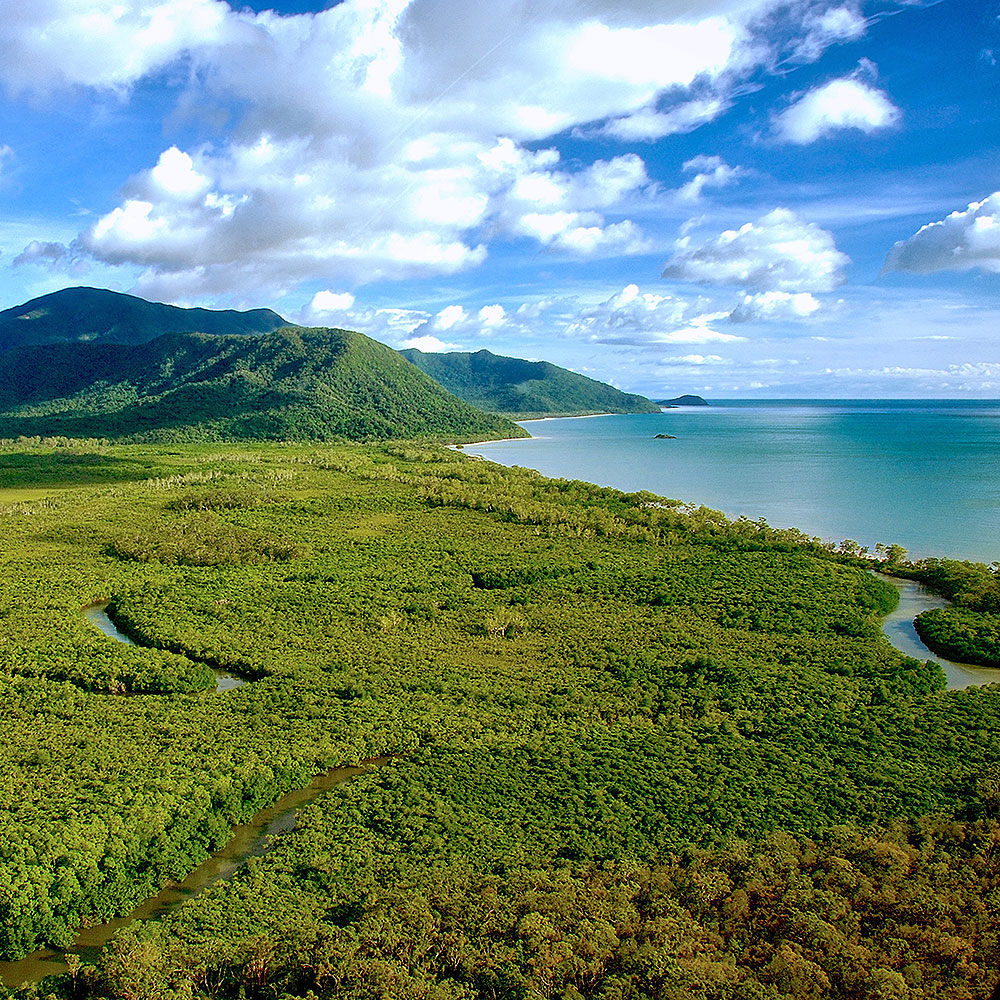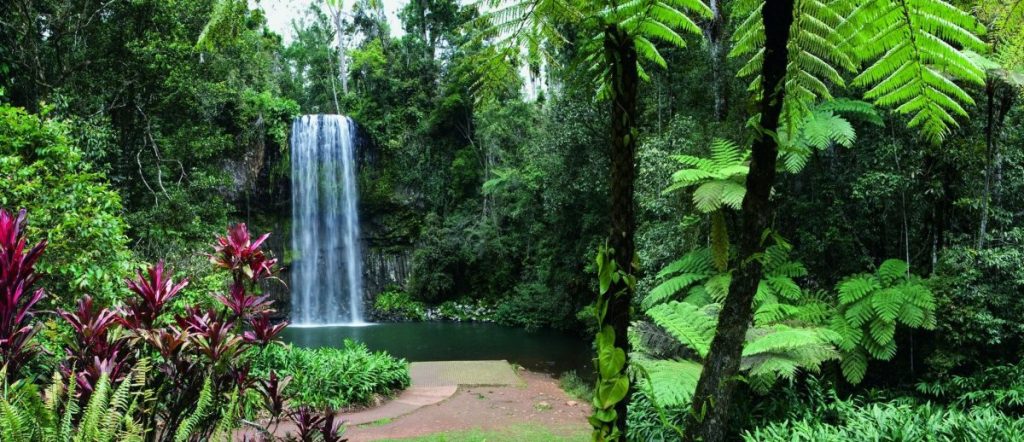

The tropical city of Cairns has a rich and layered history shaped by Indigenous culture, colonial expansion, farming, mining and its evolution into a global tourism hub. Today, Cairns is widely recognised as the gateway to the Great Barrier Reef and the Daintree Rainforest, but its origins tell a story of resilience, adaptation, and economic transformation.
Long before European settlement, the Cairns region was home to the Indigenous Yidinji people. They lived sustainably across the coastal plains, rivers, and rainforest areas for thousands of years, maintaining a deep spiritual and cultural connection to the land. Their knowledge of seasonal food sources, waterways, and the environment enabled them to thrive in what can be a challenging tropical climate. Today, their heritage remains an important part of Cairns’ identity.
European interest in the region began in the late 19th century. In 1876, the discovery of gold on the Hodgkinson River sparked a rush of prospectors into the area. To support this influx, a port was needed on the coast, and Cairns was officially established that same year. It was named after William Wellington Cairns, who served as Governor of Queensland from 1875 to 1877.
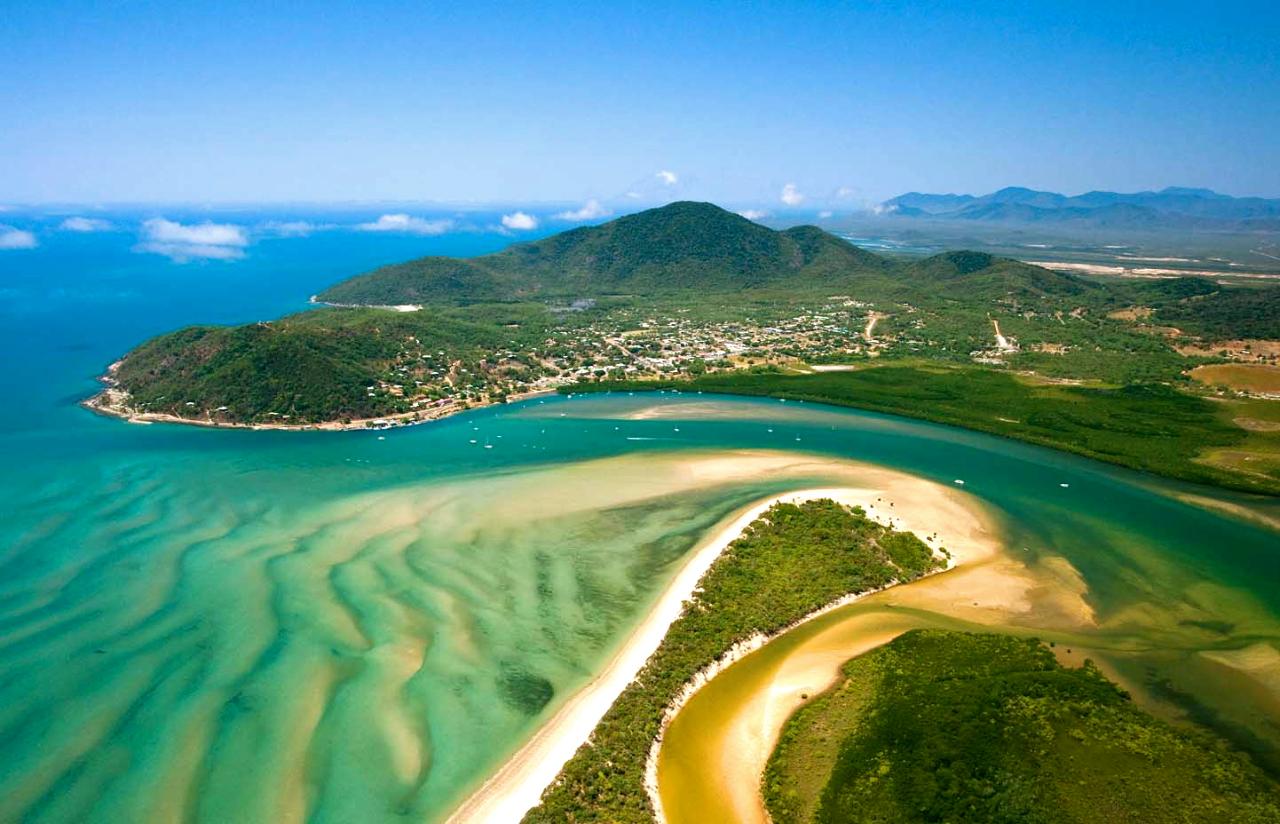
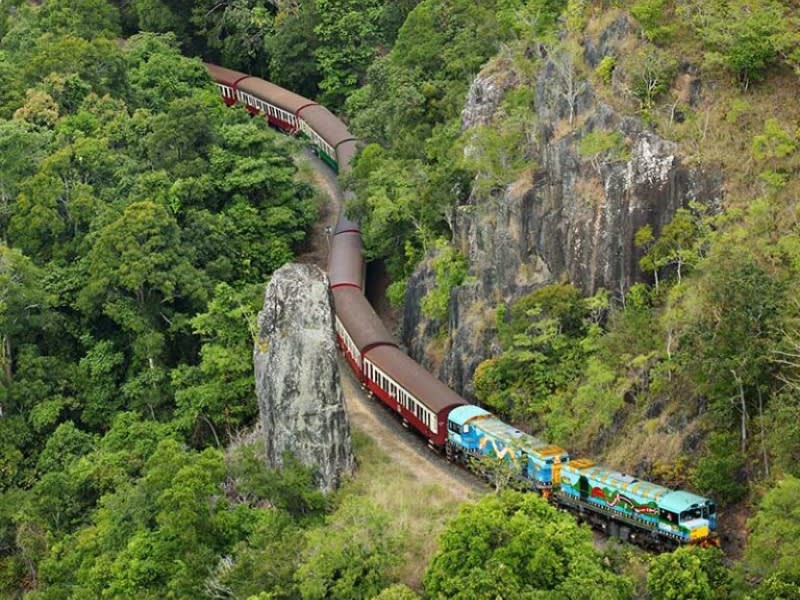
In its early years, Cairns struggled with difficult environmental conditions. The land was swampy, prone to flooding, and surrounded by dense rainforest. However, determined settlers worked to clear the land and establish infrastructure. The construction of the Kuranda Scenic Railway in the 1880s was a major milestone. This engineering feat connected Cairns to the inland mining areas and helped secure its role as a key regional port.
By the early 20th century, Cairns began to diversify economically. While gold mining declined, agriculture—particularly sugar cane—became the backbone of the local economy. The fertile coastal plains proved ideal for farming, and the sugar industry attracted a diverse workforce, including South Sea Islanders, Europeans, and later migrants from around the world. This multicultural influence helped shape the character of modern Cairns.
Cairns also played a strategic role during World War II. Its proximity to the Pacific made it an important base for Allied forces. Military infrastructure expanded rapidly, and the city became a staging point for operations in the Coral Sea and beyond. This period brought significant development, including improvements to roads, airfields, and port facilities, many of which laid the groundwork for future growth.
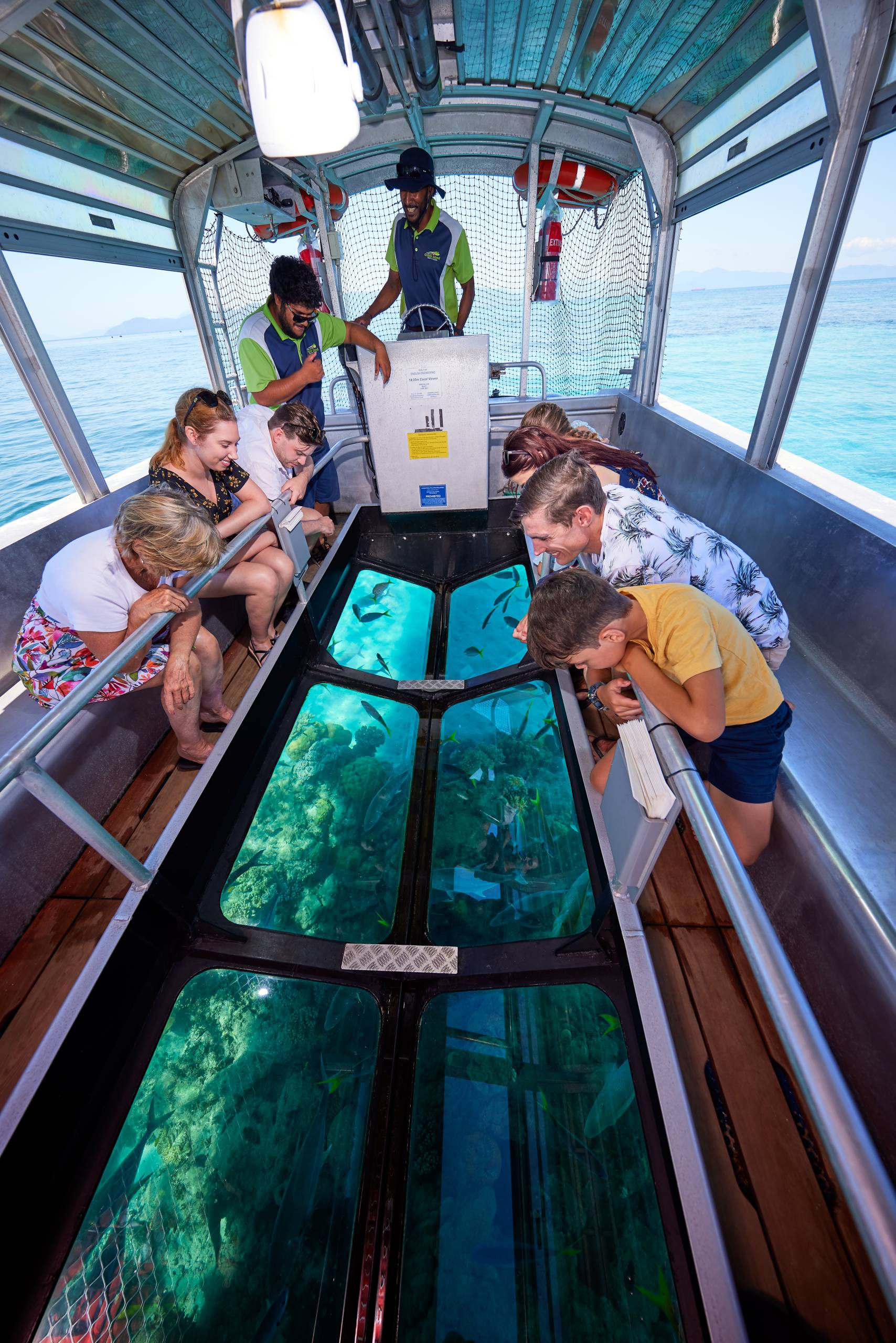
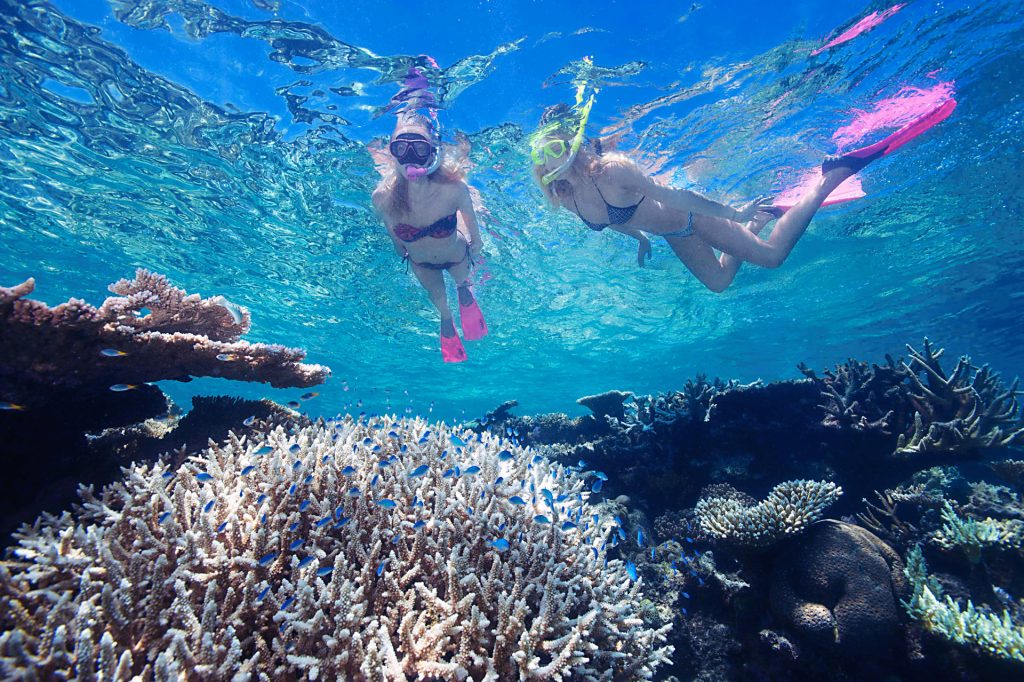
In the decades following the war, Cairns transitioned from an industrial and agricultural centre into a tourism-driven economy. The 1980s marked a turning point, with increased investment in infrastructure and promotion of the region’s natural attractions. The development of facilities such as the Cairns Esplanade and the expansion of reef tourism made the city more accessible and appealing to international visitors.
Today, Cairns is a vibrant and modern city that balances its historical roots with a strong focus on tourism and environmental sustainability. It serves as a launch point for reef and rainforest experiences, while also celebrating its Indigenous heritage and multicultural community.
From its origins as a frontier settlement supporting a gold rush to its current status as one of Australia’s premier tourist destinations, Cairns has undergone remarkable transformation. Its history reflects not only the challenges of developing a remote tropical region but also the opportunities created by its unique natural surroundings.