One of the great pleasures of visiting Cairns is that Australian wildlife is not confined to wildlife parks. The tropical environment provides plenty of opportunities to encounter native animals naturally, often without paying an entry fee.
Birdlife is particularly easy to see. The Cairns Esplanade, parks, gardens and rainforest edges attract a wide variety of birds, from colourful tropical species to larger waterbirds. Early morning is often the best time for birdwatching because temperatures are cooler and wildlife tends to be more active.
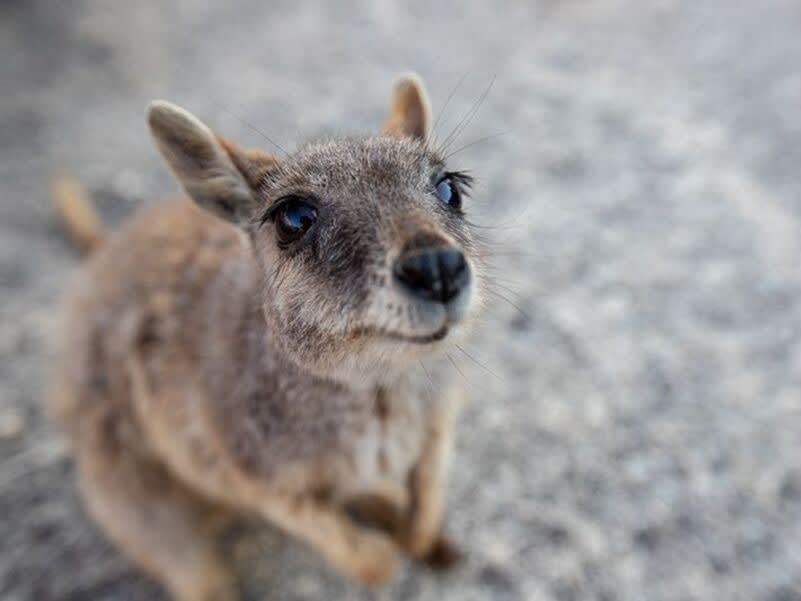
Wallabies can also be seen around parts of the northern beaches and coastal hinterland. One area visitors sometimes encounter them is between Kewarra Beach and Trinity Beach, particularly around suitable grassy areas and quieter edges of developed land. As with all wild animals, sightings are never guaranteed.
If you’re driving between Cairns and Port Douglas make sure to stop near the Mowbray River. Crocodiles can often be seen from th highway. There is a dedicated parking area and viewing platform. Low tide on a sunny winters day is the most reliable time for a sighting.
The Atherton Tablelands offer excellent opportunities for wildlife spotting. Open farmland, rainforest and wetlands support different species, and visitors travelling through the region may encounter wallabies, birds and other native animals.
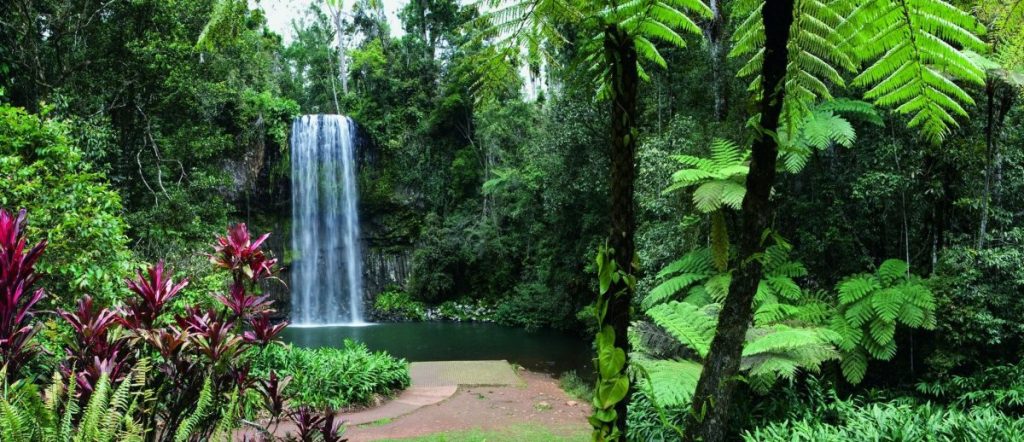
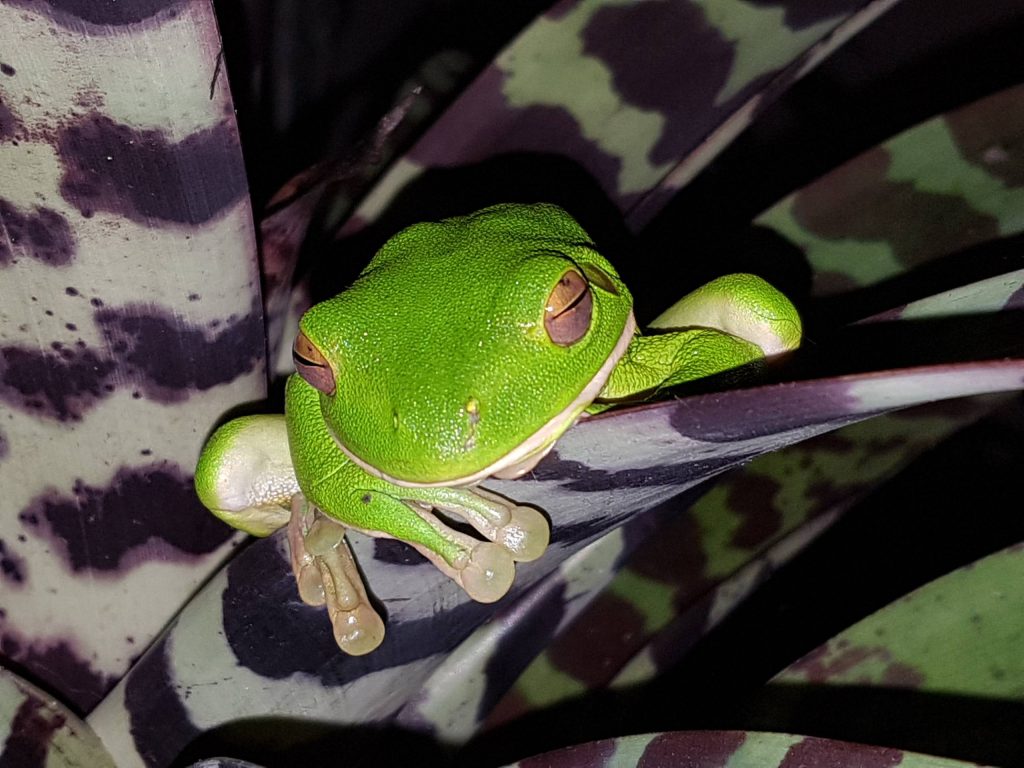
Rainforest walks can reveal smaller animals that are easy to miss. Butterflies, lizards, frogs and insects are abundant, especially after rain. Taking time to stop and look rather than simply walking quickly through the forest can make a big difference.
Cairns also has several public parks and natural areas where wildlife can be observed without entering a formal attraction. The key is to keep a respectful distance and avoid feeding animals. Feeding wildlife may make animals dependent on humans and can create aggressive or unhealthy behaviour. It can also encourage animals to approach roads or other dangerous areas.
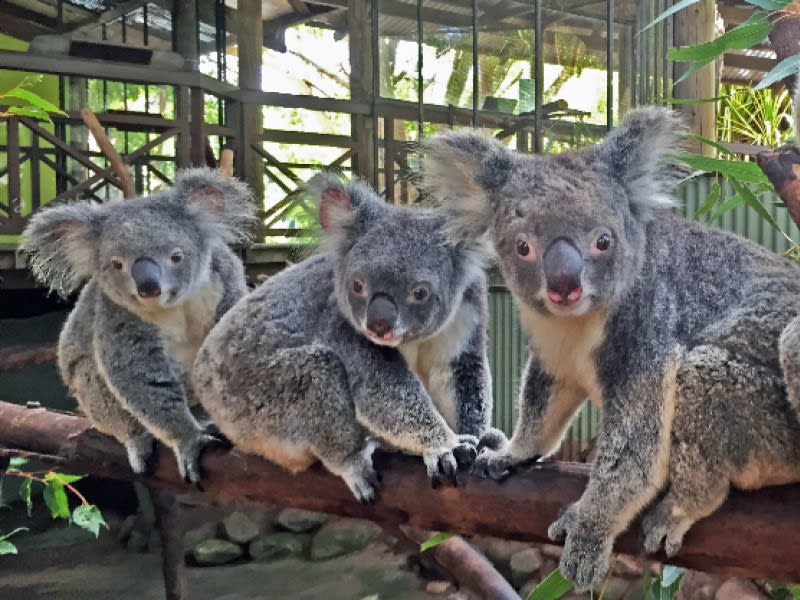
Wildlife is often most active around dawn and dusk. Visitors willing to start early or explore in the late afternoon can increase their chances of seeing animals. For guaranteed close encounters, dedicated wildlife parks remain a better option. These facilities allow visitors to see species that may be difficult to locate in the wild and provide educational information about conservation and behaviour.
Photography is best approached with patience. A long lens or phone zoom allows visitors to keep a safe distance rather than approaching an animal for a better picture.
Road safety is also important. Wildlife can move onto roads, especially around dawn and dusk. Drivers should slow down in areas where animals are known to occur.
Seeing an Australian animal in its natural environment can be one of the most memorable moments of a Cairns holiday. The excitement comes from not knowing exactly what you will encounter.