Preventing Seasickness on Cairns Reef Tours
For some visitors, the biggest concern about a Great Barrier Reef cruise is not the reef itself but the cruise to get there. Seasickness can affect anyone, including experienced travellers, but there are several ways to reduce the chance of feeling unwell. Seasickness is caused by conflicting signals between the eyes and the inner ear. The body senses the movement of the vessel while the eyes may focus on a stable object such as the inside of the cabin.
One of the most useful strategies is choosing where to sit. The movement is generally less noticeable near the centre of a vessel and closer to the lower decks than at the bow or stern.
- Fresh air and looking toward the horizon can also help.
- Avoid reading or concentrating on screens if you begin to feel unwell. Looking outside and keeping your eyes on the horizon can help your visual system better match the movement detected by your inner ear.
- Eating lightly before departure can also be useful. An empty stomach is not necessarily better, but a large, heavy meal immediately before travelling may make nausea more uncomfortable.
- Hydration is important, particularly in Cairns’ tropical climate. Drink water regularly, but avoid excessive alcohol before or during the journey.
- Some travellers use over-the-counter seasickness medication. Different products have different active ingredients and possible side effects, including drowsiness. If you are considering medication, ask a pharmacist about the most appropriate option for you and follow the directions carefully.
- It is generally better to take preventive medication before symptoms become severe, when the product instructions recommend this. Once significant nausea has developed, it can be harder to control.
- Ginger products are also commonly used by travellers, although their effectiveness varies from person to person. Some passengers find ginger tea, tablets or lollies helpful as part of a broader prevention strategy.
- If you feel seasick on board, tell crew members early. They are accustomed to helping passengers and may be able to suggest a better position on the vessel or provide practical assistance.
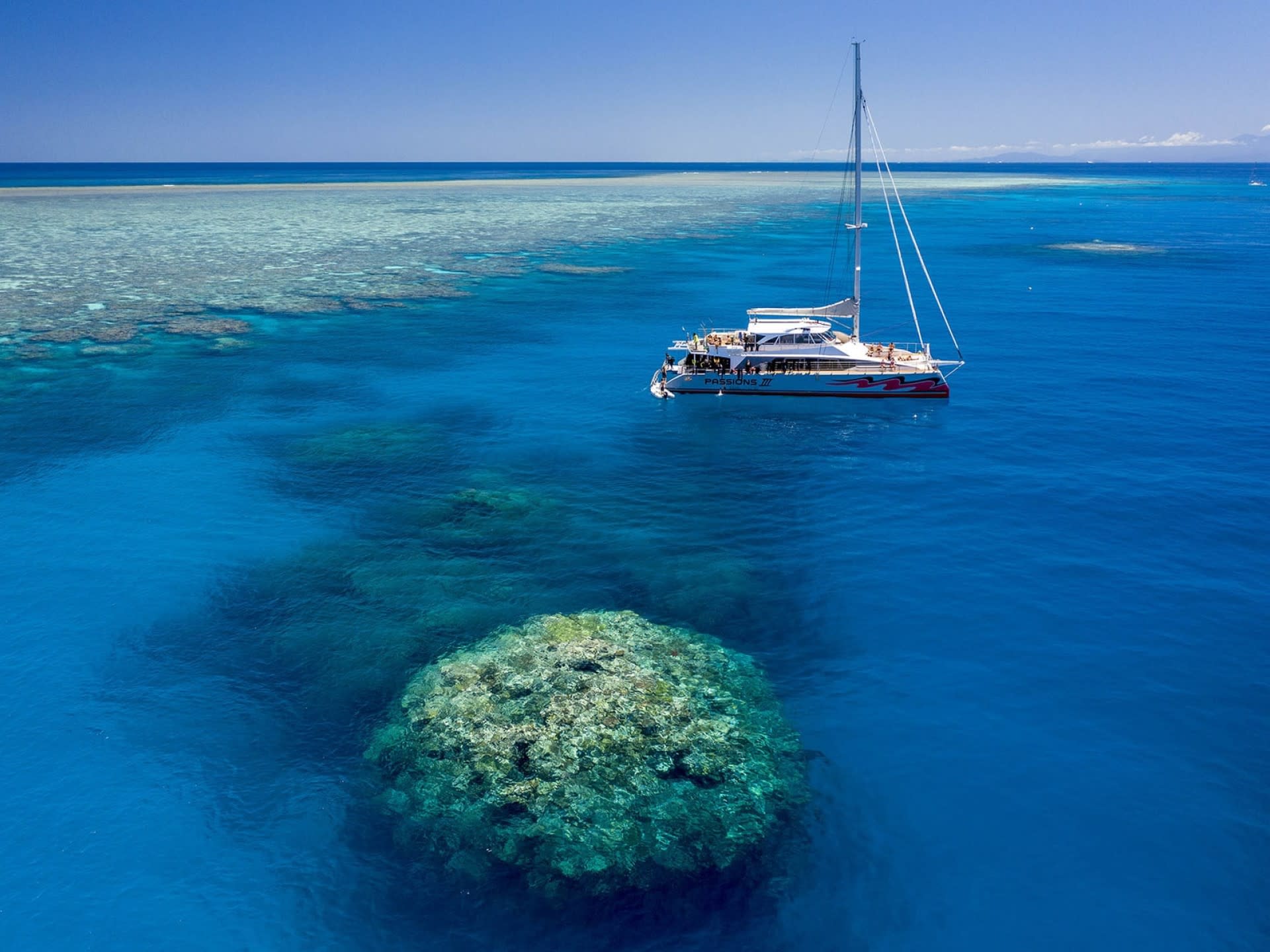
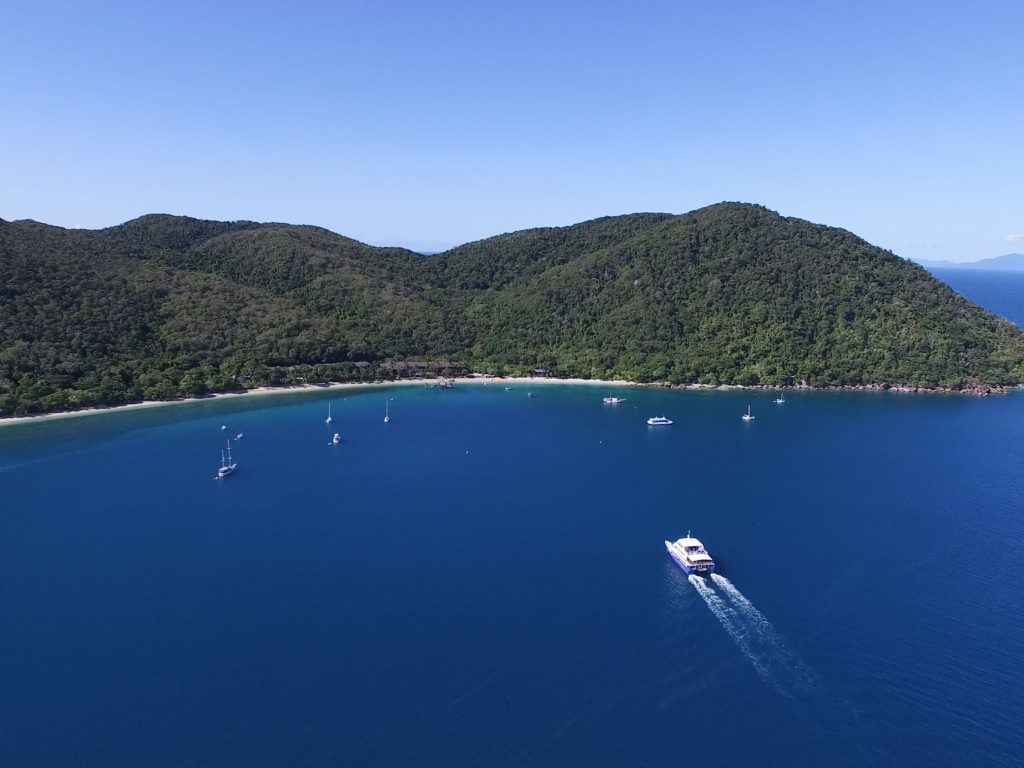
Weather and sea conditions make a major difference. A calm day can produce a smooth journey, while wind and swell can increase vessel movement. Fast catamarans and larger vessels can feel different from smaller boats, so travellers who know they are prone to seasickness may wish to discuss vessel characteristics with the operator before booking.
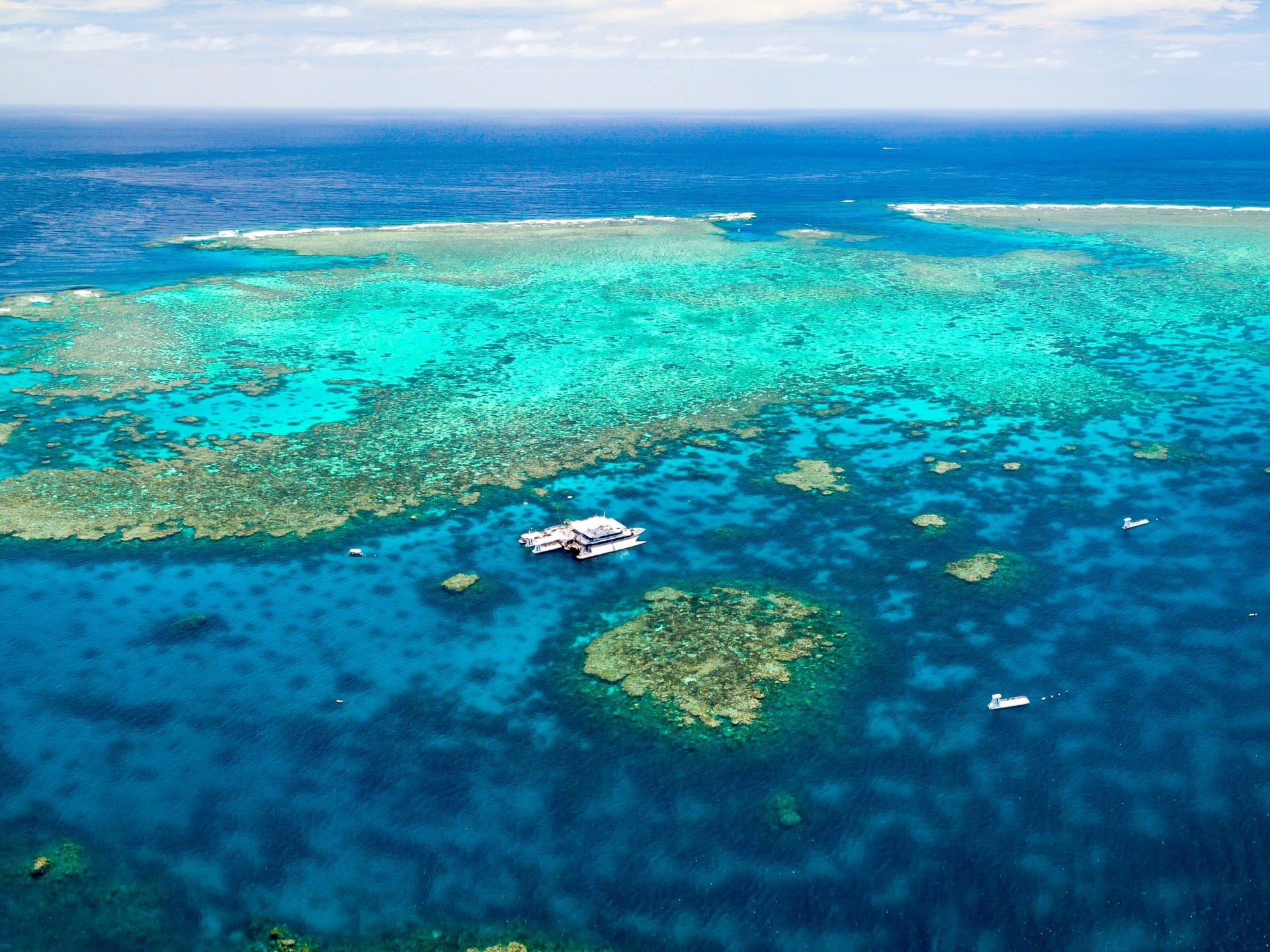
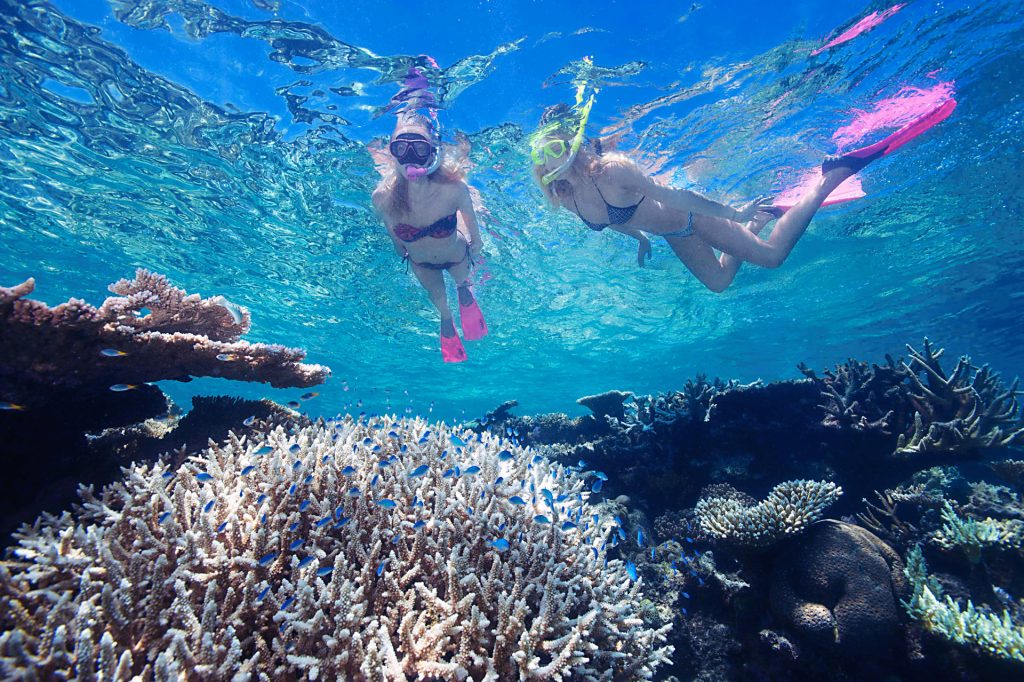
The journey is only part of the experience. Once visitors reach the reef, many people find that being in the water and focusing on the marine environment takes their mind off the trip. Another thing to remember is that the trip out is usually a bit rougher than the journey back to Cairns – this means that if you did experience seasickness in the morning don’t dwell on it and enjoy your day – the trip home is usually calmer.
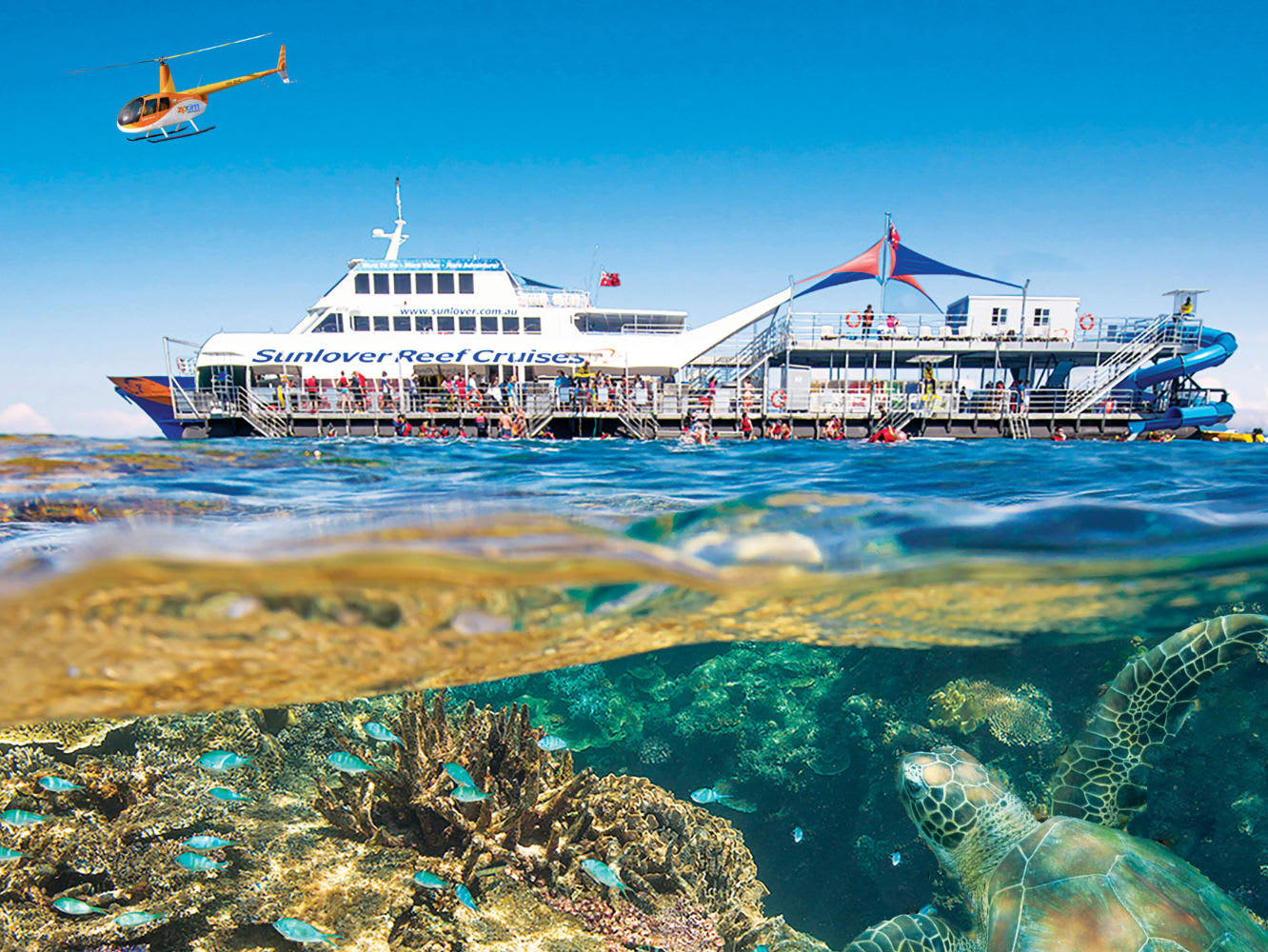
People who are very worried about seasickness may also consider one of the many options to heli to/from the reef. Most of the pontoon style cruises offer this option. Plus – the views are incredible and often the highlight of your visit to Cairns.
A little preparation can therefore make a big difference. Choose a suitable position, eat sensibly, stay hydrated, look toward the horizon and consider appropriate medication if necessary.
With the right precautions, seasickness does not have to prevent you from experiencing one of Australia’s greatest natural attractions.